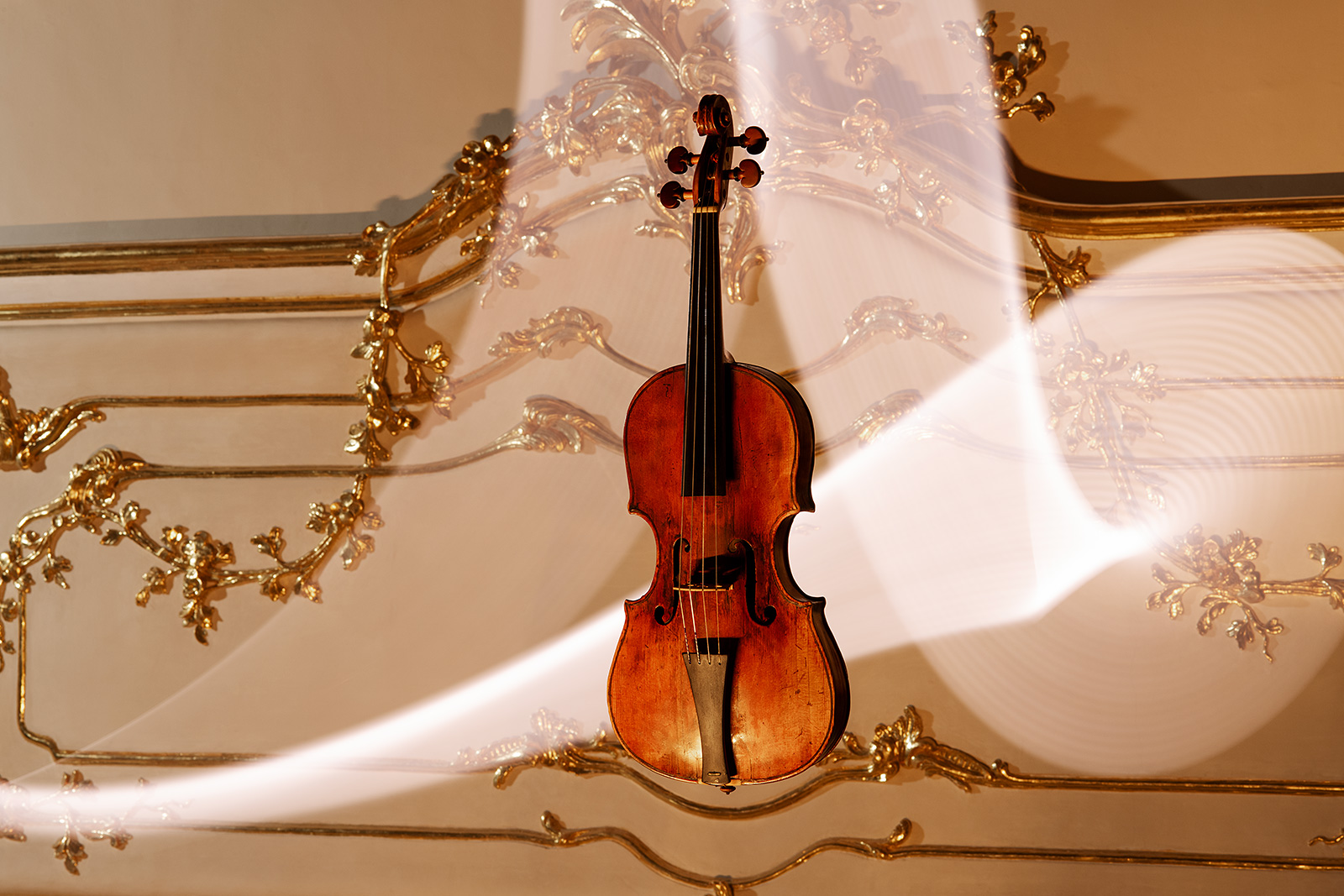
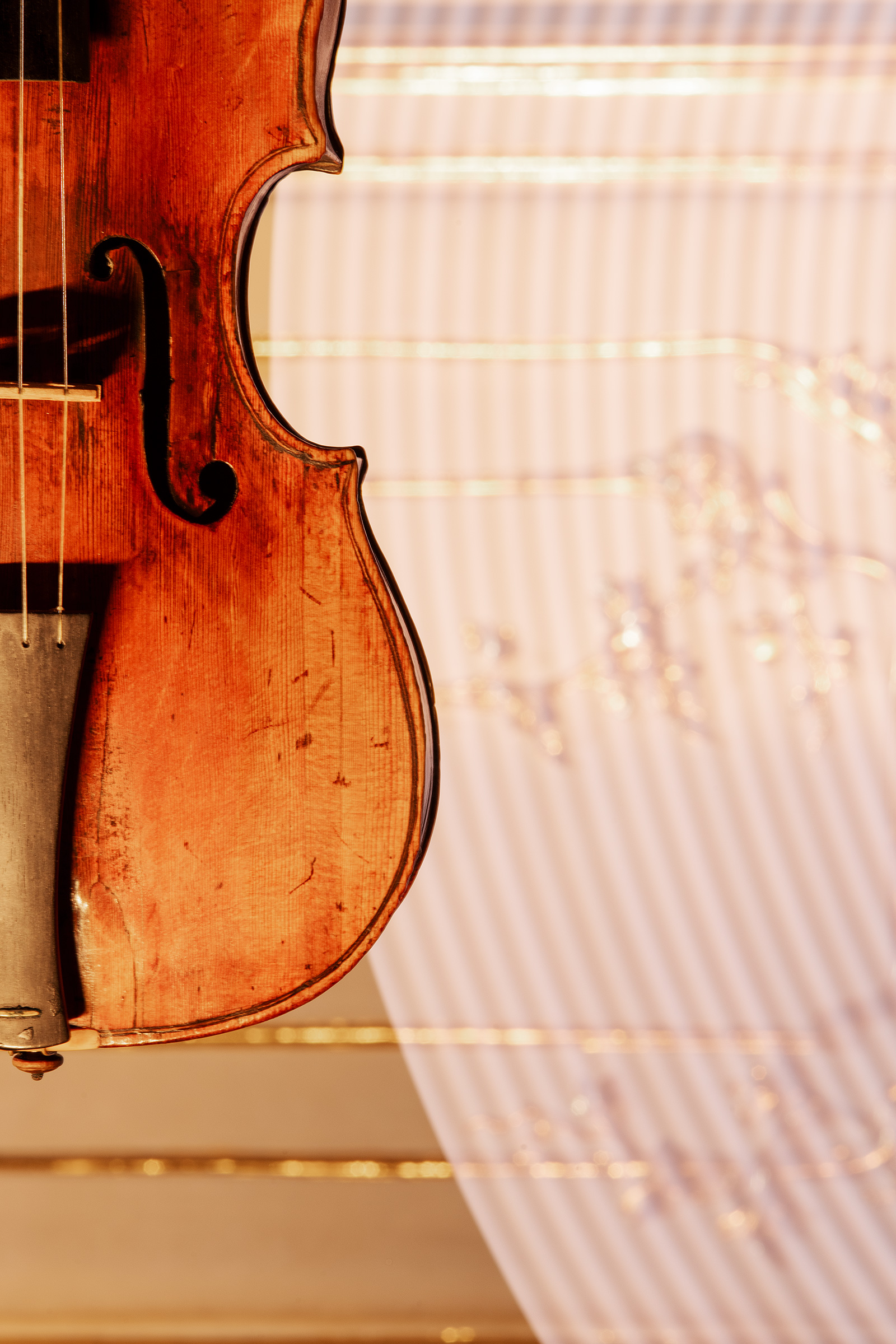
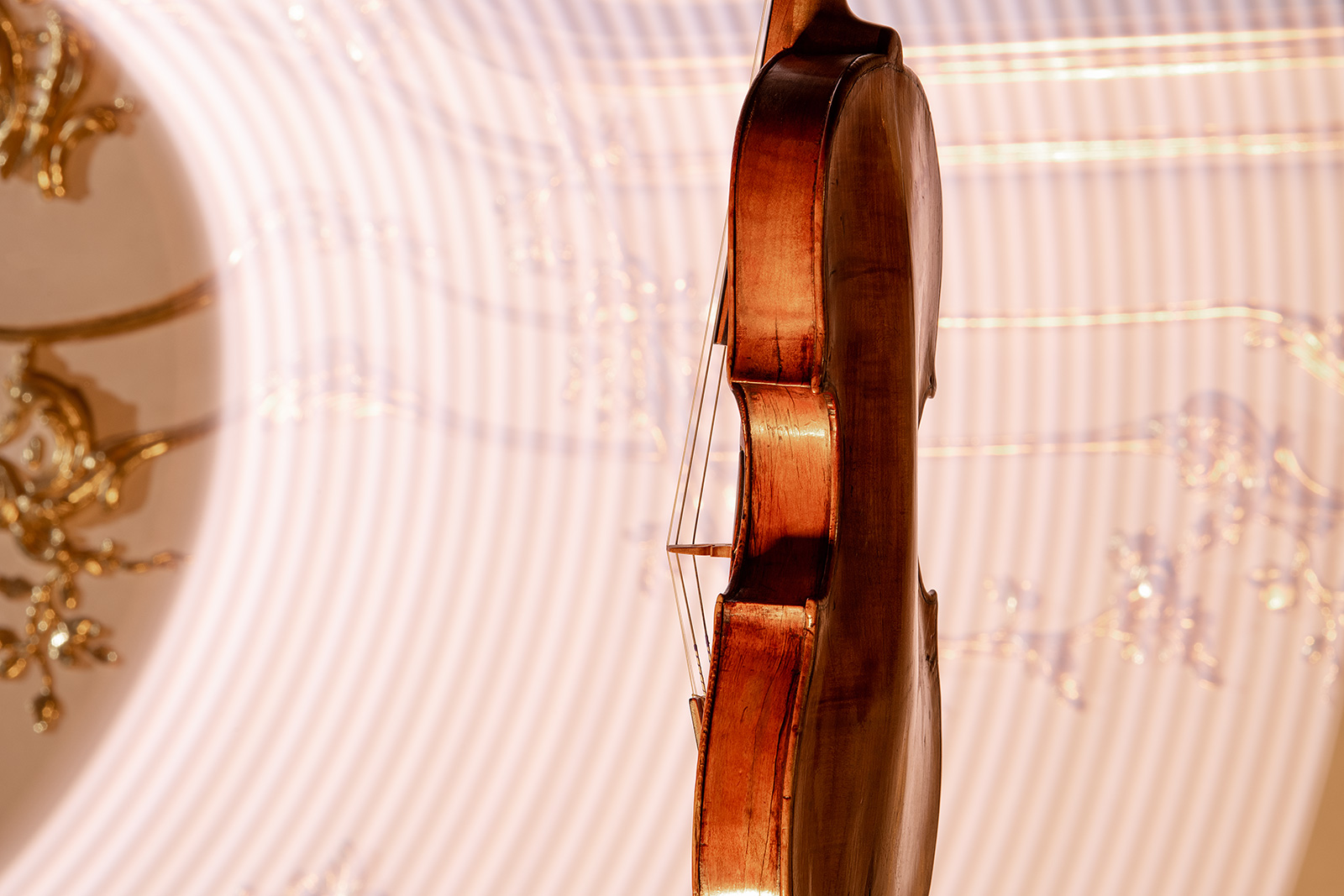
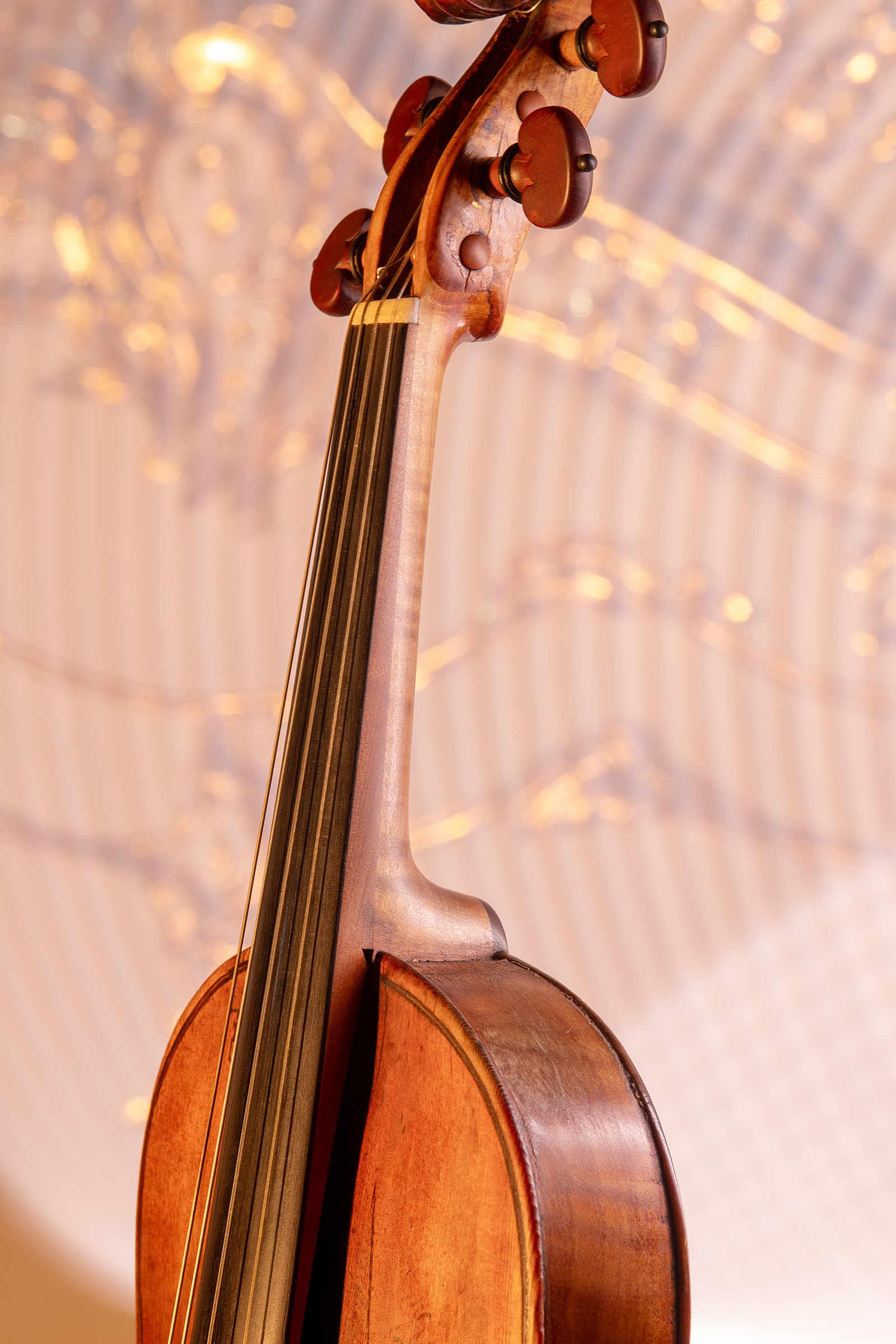
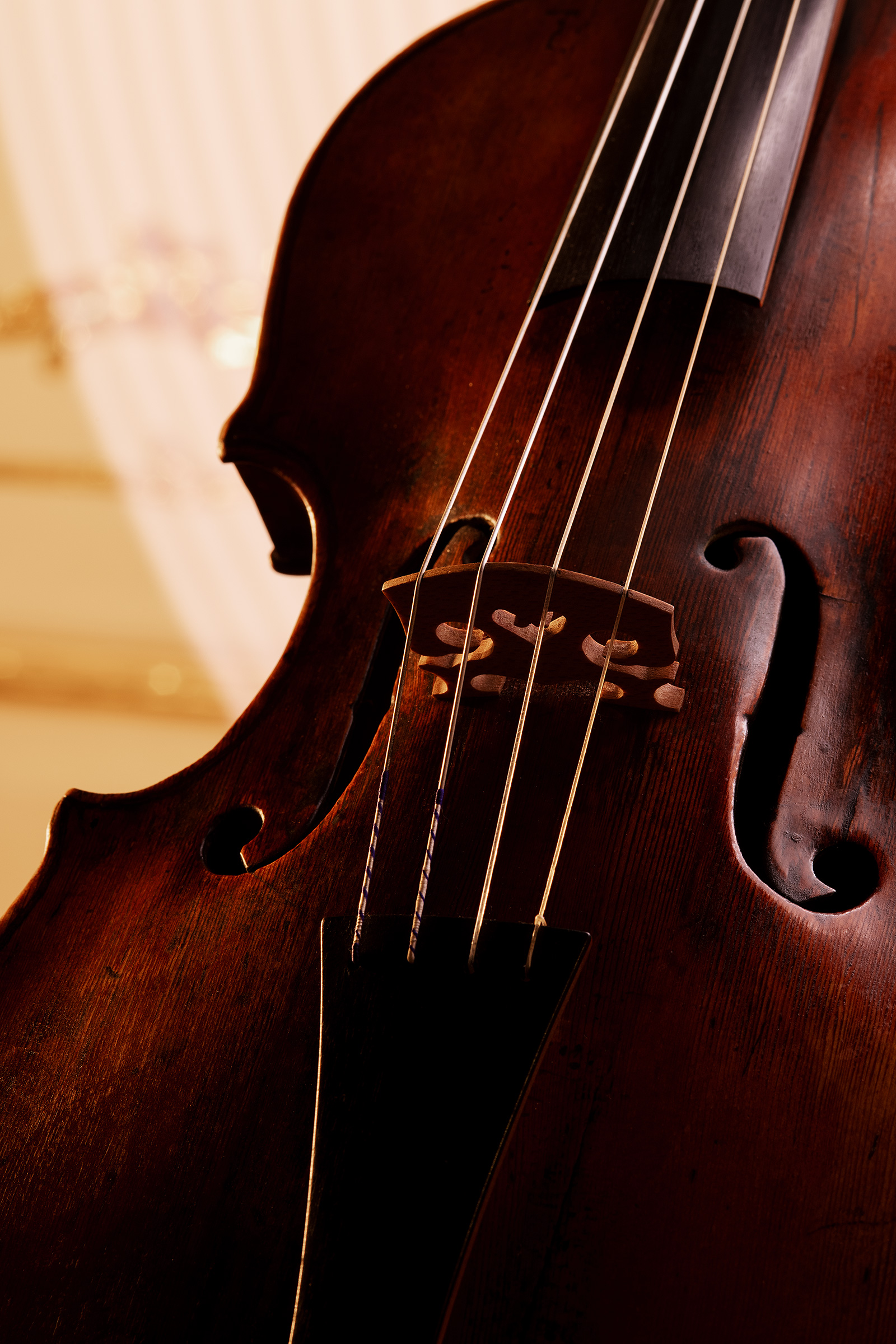
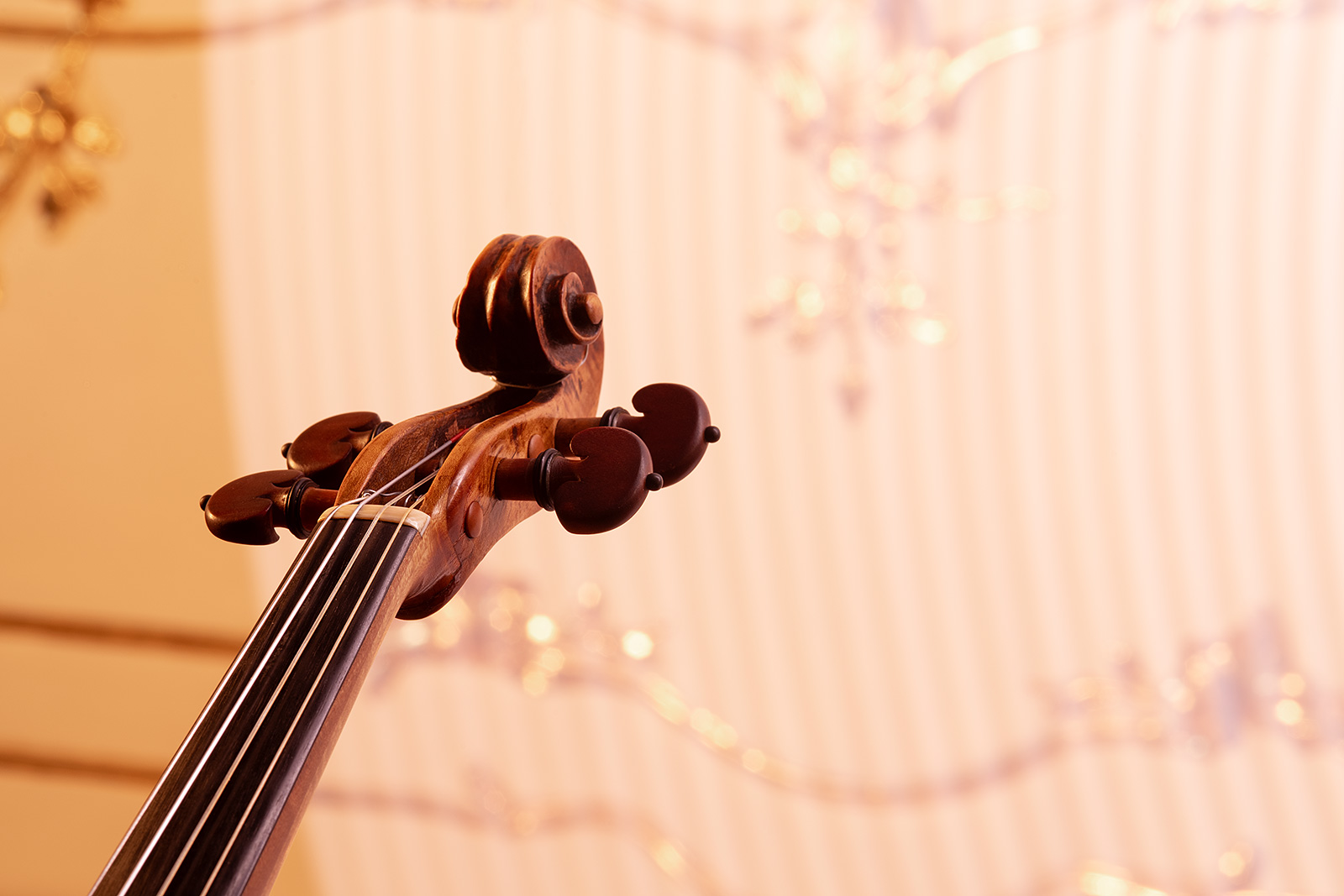
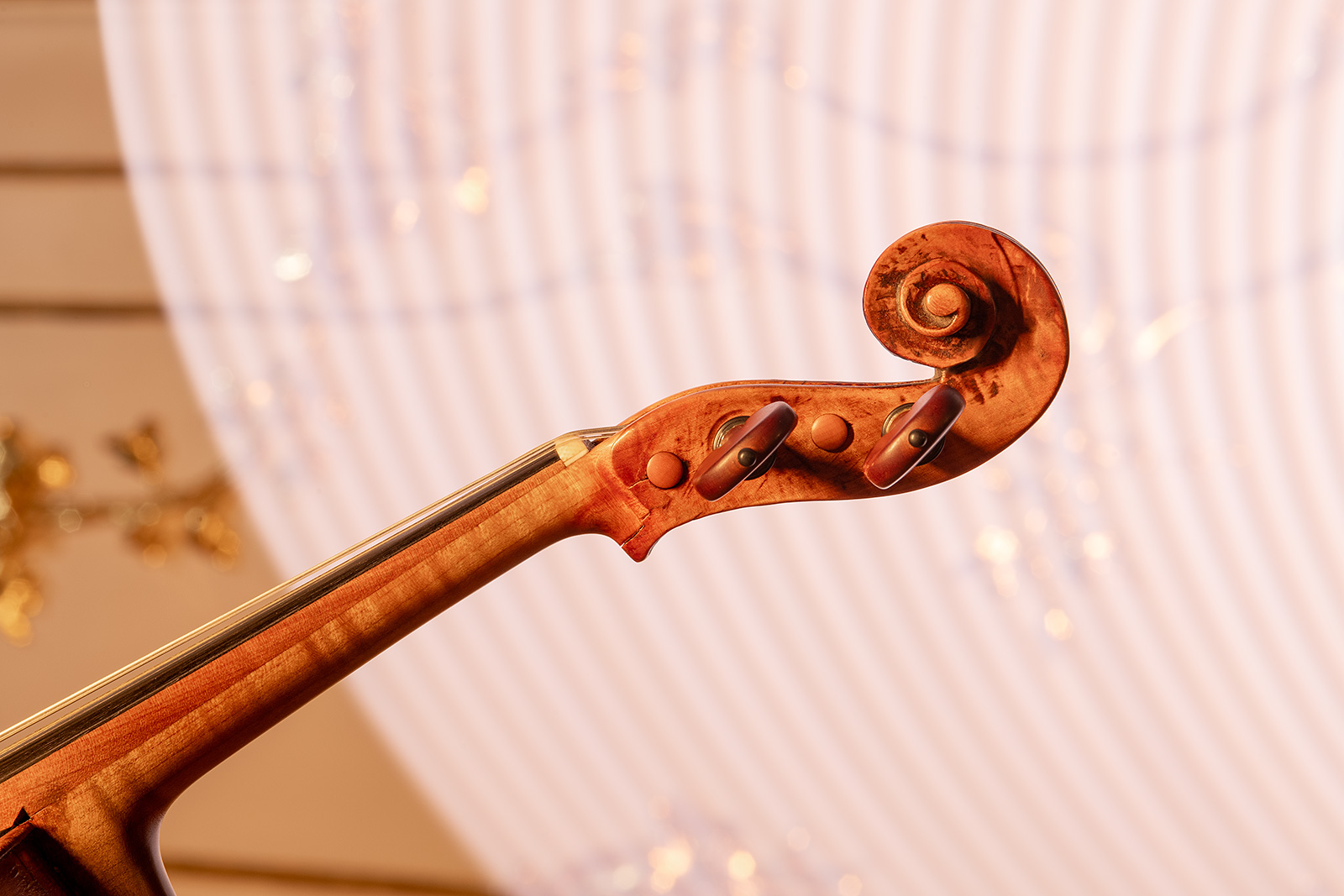
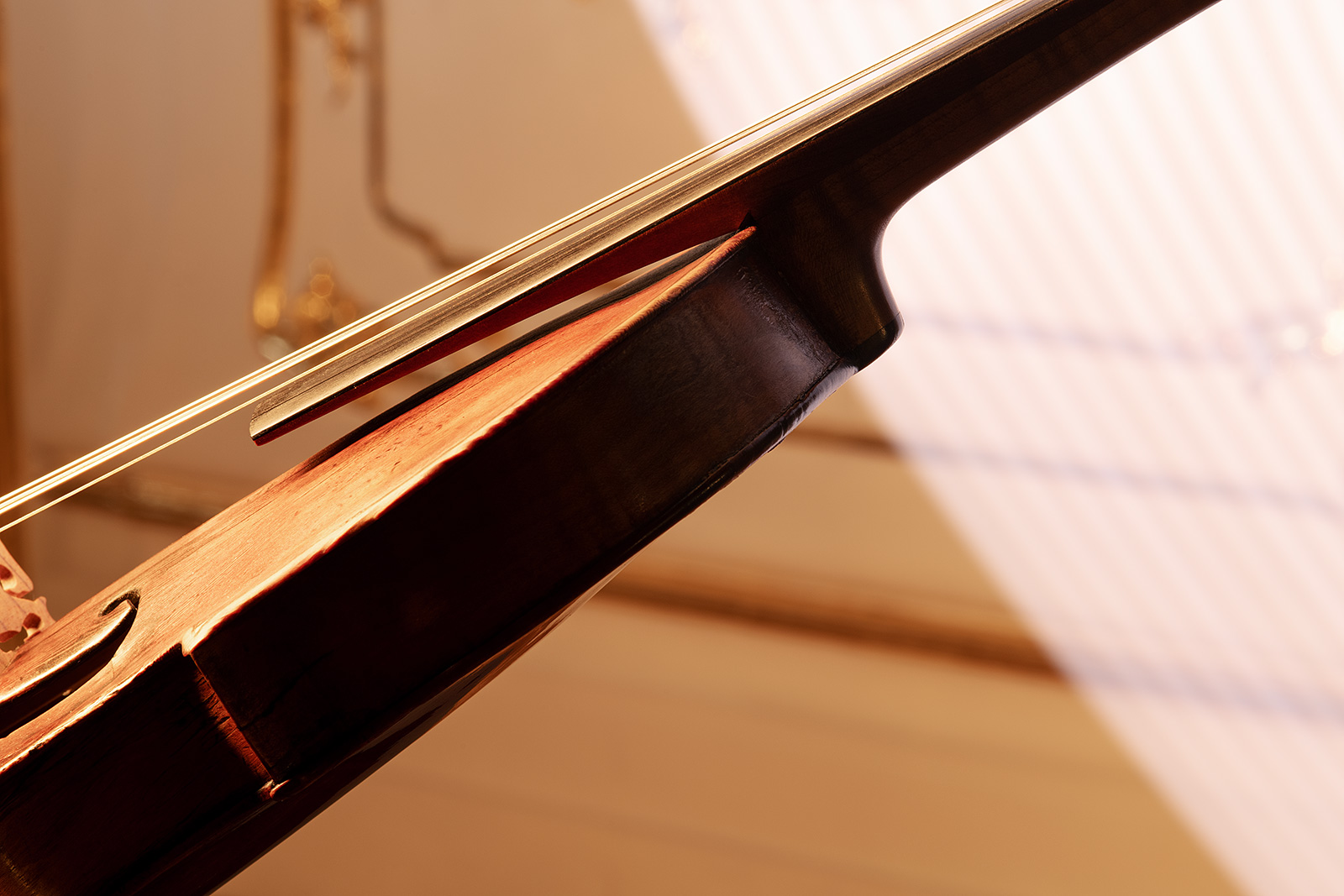
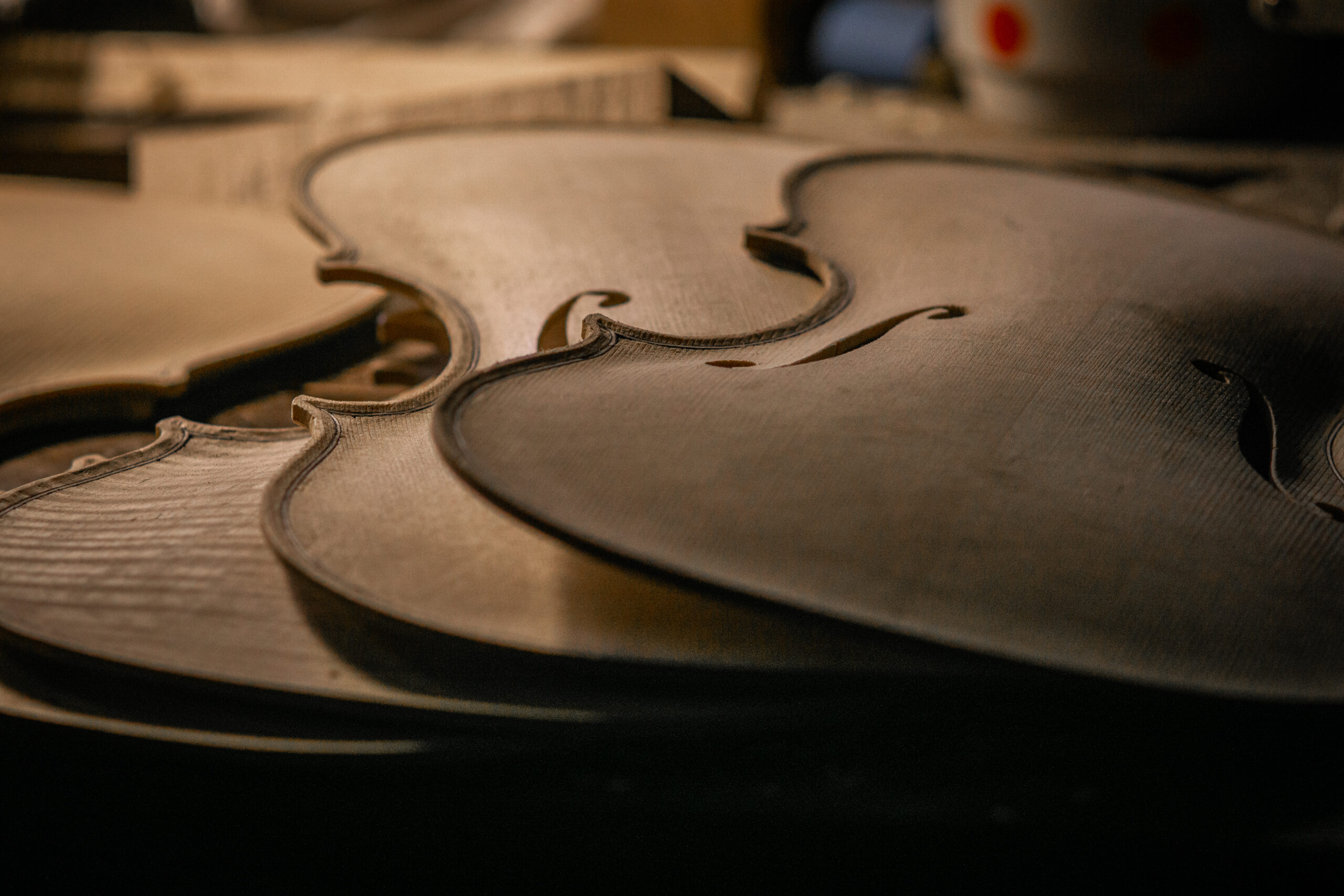
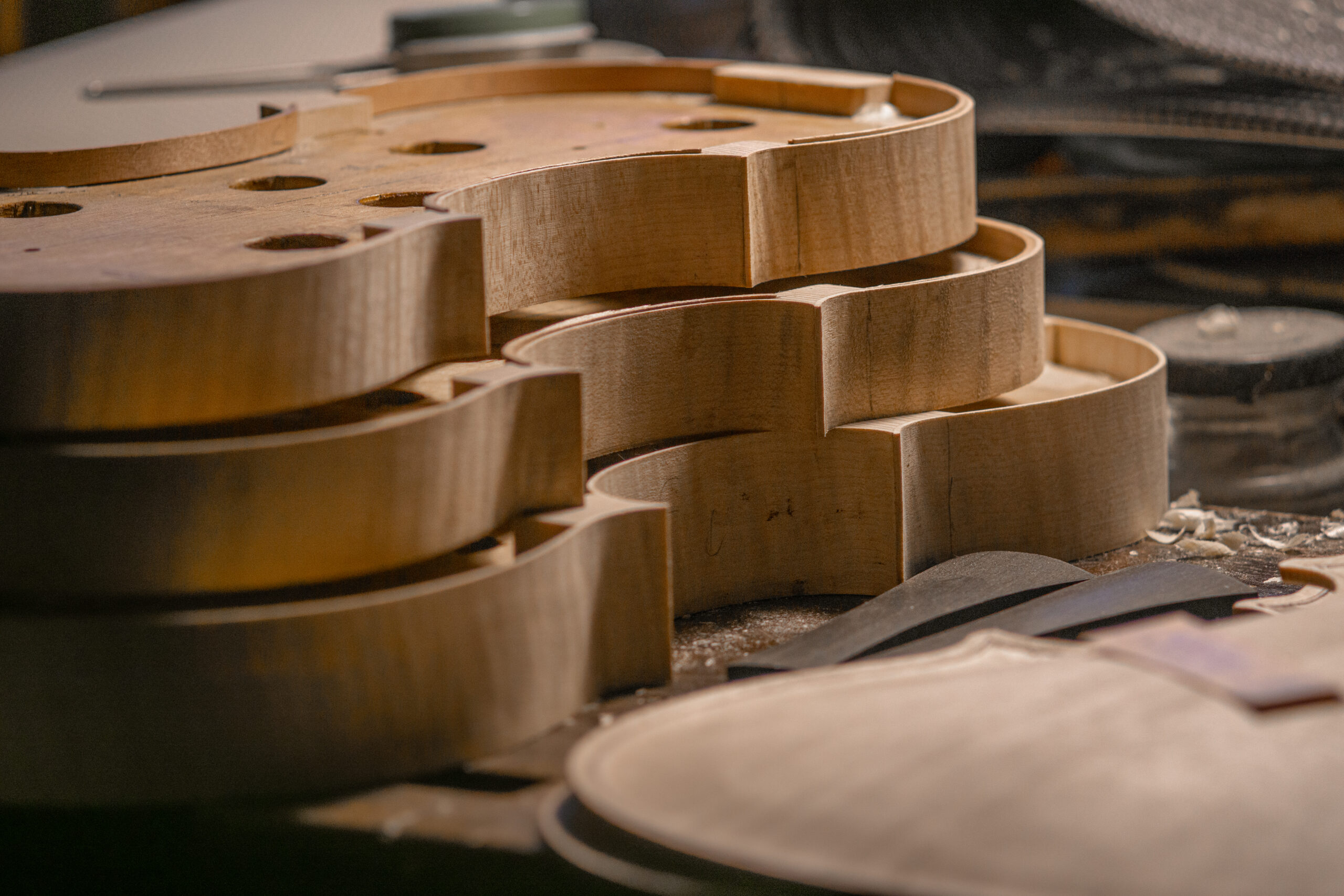
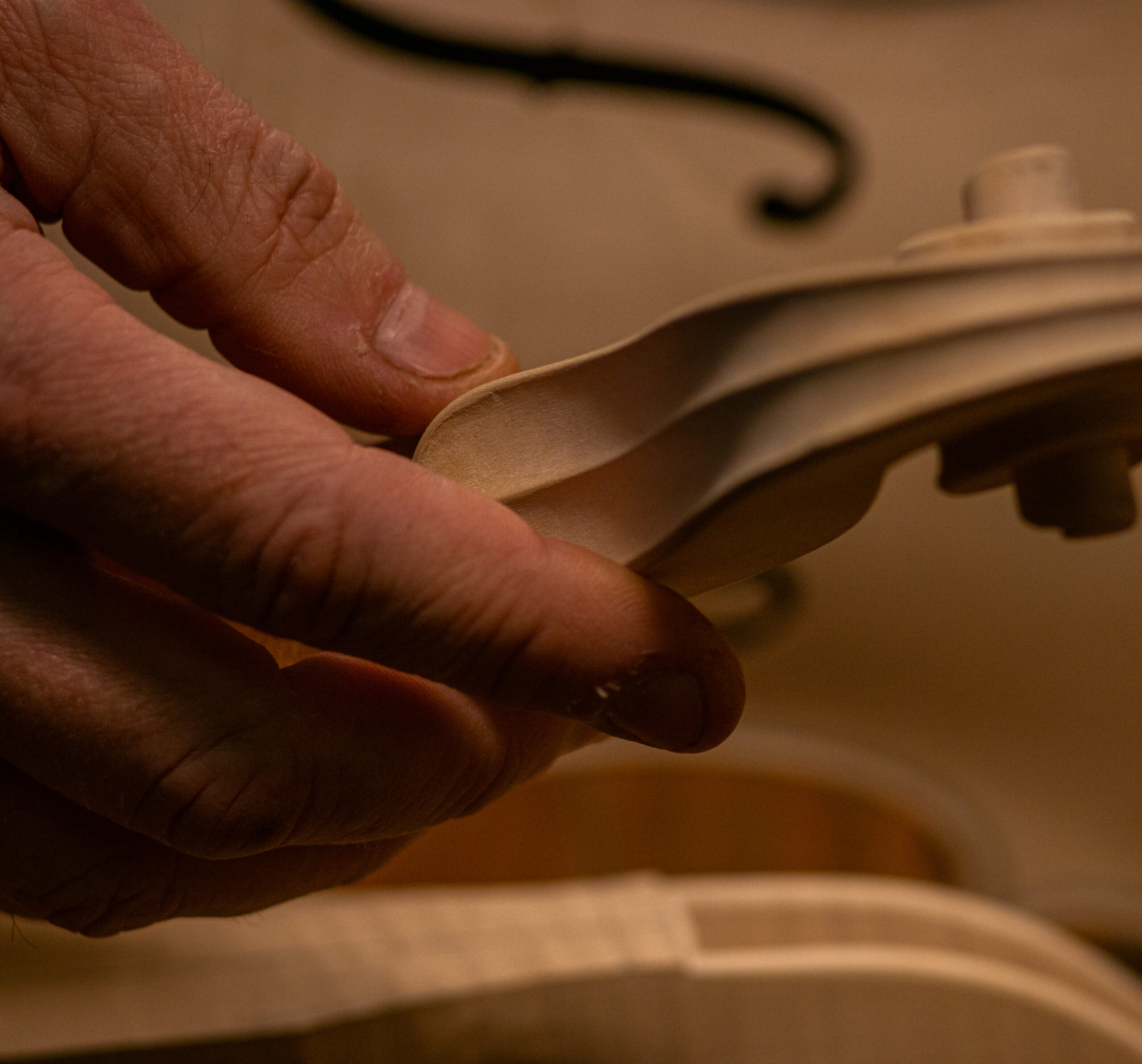
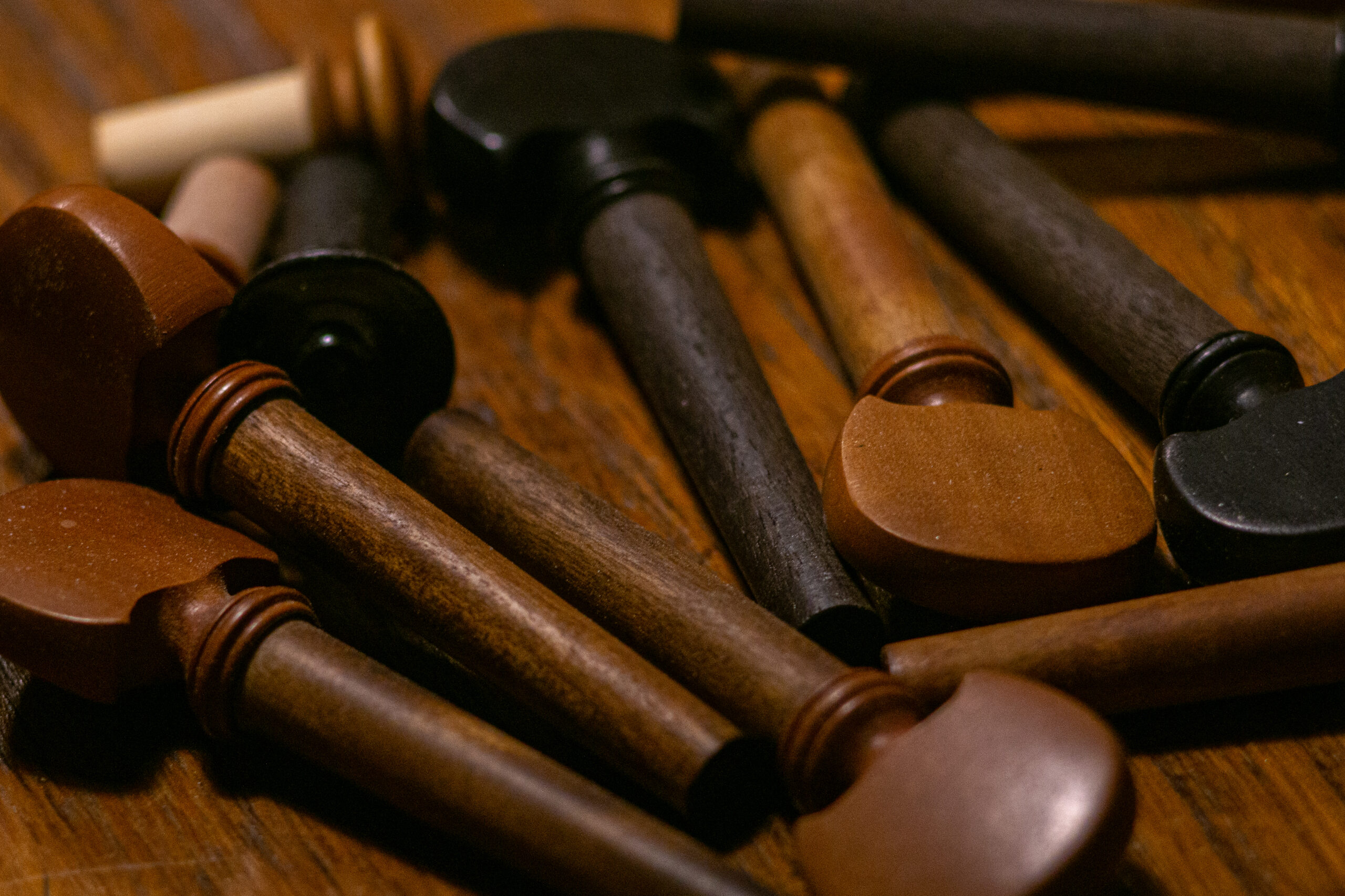
At first glance, the Baroque violin hardly differs from its modern counterpart, yet it evokes a completely different world. Its structural differences demand a distinct playing style, which in turn produces its characteristic sound. The gut strings—most often made from sheep intestine—create a warmer, more natural tone than today’s metal strings. Around 1660, metal-wound gut strings were developed, allowing lower notes to sound thinner yet more powerful. The Baroque bow is not just a tool: its more curved shape and unique weight distribution make it speak differently when drawn upward or downward, giving each note its own character. Thus, the Baroque violin is not merely a predecessor of the modern instrument but an independent artistic medium, capable of evoking the intimate, rich colors of the music of its era.