


Frédéric CHOPIN (1810–1849):
Nocturne in C minor, Op. Posth No. 21
A Young Girl’s Wish, Op. 74 No. 1
A Girl’s Desire, Op. 74 No. 5
Enchantment, Op. 74 No. 18
Mazurka No. 11 in E minor, Op. 17 No. 2
Mazurka in B-flat major, Op. 17 No. 1
The Warrior, Op. 74 No. 10
Out of my Sight, Op. 74 No. 6
Sad River, Op. 74 No. 3
Mazurka in A-flat major, Op. 17 No. 3
The Betrothed, Op. 74 No. 15
The Messenger, Op. 74 No. 7
Leaves are Falling, Op. 74 No. 17
Mazurka in A minor, Op. 17 No. 4
—
“Casta Diva” – aria from the opera “Norma” by Vincenzo Bellini, transcribed by Frédéric Chopin
Mazur in G major, B. 39 (“What Flowers, What Wreaths”)
A Lithuanian Song, Op. 74 No. 16
Drinking Song, Op. 74 No. 4
Grande Valse Brillante, Op. 18
My Sweetheart, Op. 74 No. 12
The Handsome Lad, Op. 74 No. 8
The Ring, Op. 74 No. 14
Berceuse in D-flat major, Op. 57
Melody, Op. 74 No. 9
Death’s Division, Op. 74 No. 11
Spring, Op. 74 No. 2
Song, Op. 74 No. 19
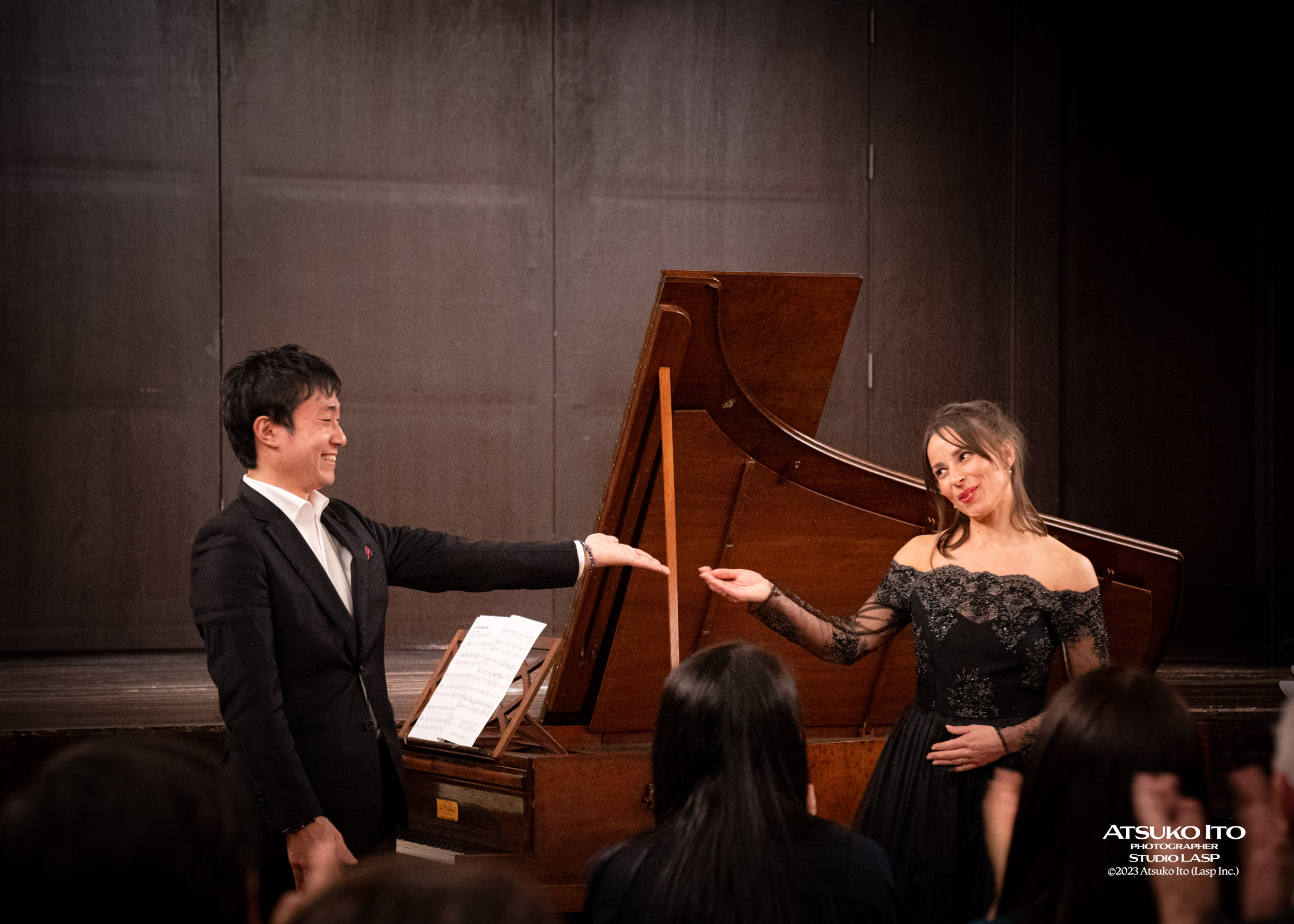
In the fashionable song genre of the early nineteenth century, Frédéric Chopin also created enduring works, revealing a lesser-known side of his artistry. The songs are performed by the soprano Aldona Bartnik, equally at home in early music and the Polish vocal repertoire, and a researcher of lesser-known Polish works.
Chopin’s principal instrument, the piano, is played by Naruhiko Kawaguchi, already familiar to audiences in Hungary. Alongside the songs, he performs mazurkas, nocturnes and berceuses that complement their mood, as well as a transcription of Vincenzo Bellini’s famous Casta Diva aria, reminding us that the piano could effectively stand in for an opera company, bringing the fashionable music of the day to places it might not otherwise have reached. The Japanese fortepianist is a prizewinner of the Warsaw Chopin Competition for period instruments and a devoted interpreter of Chopin’s works both at home and internationally.